Published by California Dating After 40
A Small Calendar Still Needs Room for Dating

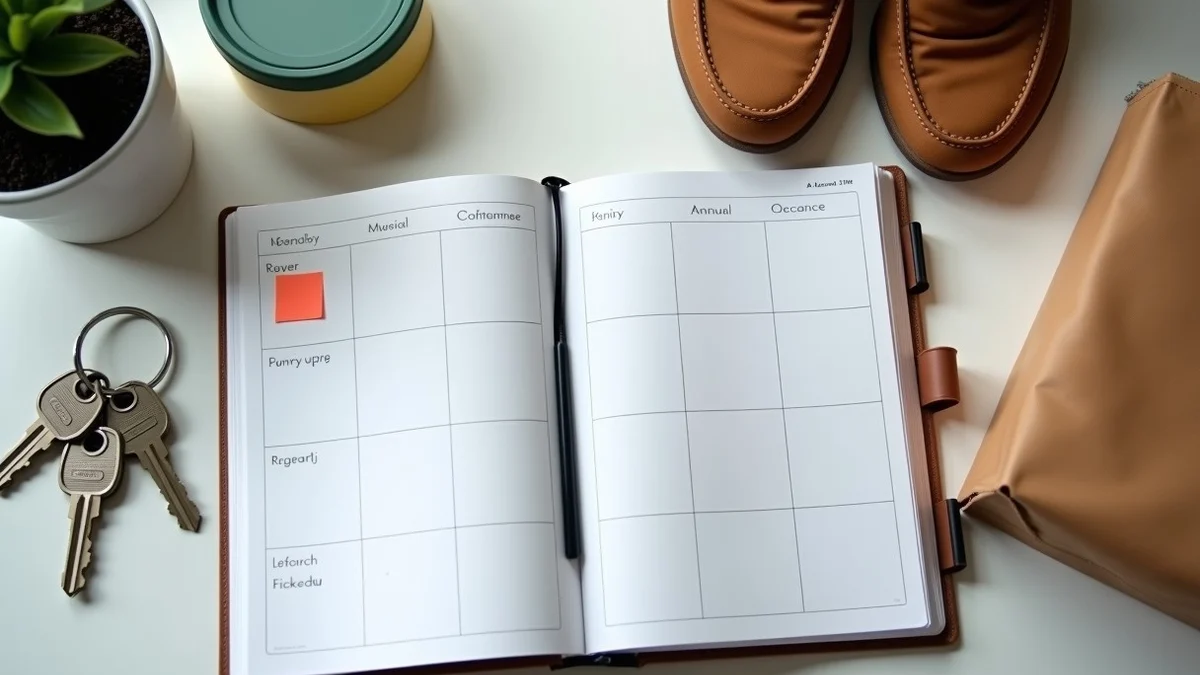
A calendar map separates fixed work hours, caregiving, exercise, rest, errands, and social commitments from time that is genuinely open. Limited free time means one or two recurring blocks remain after those commitments: a weeknight dinner, a weekend morning, or a lunch break suitable for a brief call. That is enough to begin dating if the blocks recur and do not depend on last-minute cancellations.
No workable dating time exists when every apparent opening already serves missed sleep, household work, recovery from long shifts, or family obligations. In that situation, app conversations often expand into late-night messaging and first dates become another depleted obligation. A person with one recurring 90-minute window and a shorter call window has a dating rhythm; a person relying only on exhausted or uncertain gaps does not yet have one.
Reliable Availability Builds More Trust Than Constant Access
Recurring meeting windows communicate more than frequent but erratic messages. A person who is free on Tuesday evenings and alternate Saturday mornings has given a clear basis for planning. A stated reply limit, such as checking messages after work or the next morning, also prevents silence during meetings, commutes, and family time from being mistaken for withdrawal.
Interest appears through follow-through: confirming a planned meeting, offering another time after a conflict, and retaining the same general contact rhythm from week to week. A busy schedule becomes a problem when plans repeatedly disappear without a replacement window. The issue is not constant access; it is whether both people can rely on the time each has identified.
Efficiency and Emotional Depth Are Not Opposites
- Meeting Format: Focused 30-to-60-minute introductory meeting What It Preserves: A defined start and end time allows conversation without taking the evening reserved for rest, work preparation, or family commitments. What It Costs: The meeting needs a setting close enough to reach without turning a short date into a long commute.
- Meeting Format: Rushed meeting between obligations What It Preserves: It uses a narrow opening in the calendar. What It Costs: Watching the clock, arriving late, or leaving for the next obligation can make both people feel secondary to the schedule.
- Meeting Format: Extended messaging or several early dates packed into one week What It Preserves: It postpones the need to choose among conversations or plans. What It Costs: Screen time and repeated outings consume recovery hours before either person knows whether the connection warrants that commitment.
A Busy Week May Still Allow a Deliberate Date
Long workdays may support a 45-minute meeting near the office on one predictable evening. Alternating custody can create dates on the same child-free weekend or weeknight each cycle, without changing family routines. A travel-heavy job often supports a brief call while home and an in-person meeting after the next confirmed return date. Irregular-shift workers have less recurring structure, but a meeting proposal remains clear when it names a confirmed day, a short duration, and a backup window if a shift changes. For a California meeting involving a drive, Caltrans QuickMap provides current traffic, road-condition, and closure information for estimating travel time before a short date is set.
Can Someone With Little Free Time Still Build Momentum?
- Connection Detail: Plans occur on a recurring weekday, alternate weekend, or another understood rhythm. What Supports Progress: Consistency lets both people expect contact and make other commitments around it. What Limits Progress: When every meeting must fit a last-minute opening, there is no regular time to build on.
- Connection Detail: A work conflict or family obligation changes a plan. What Supports Progress: The person affected offers another day or time and follows through on it. What Limits Progress: Cancelled plans end without a replacement, leaving the other person to restart scheduling each time.
- Connection Detail: Both people have narrow schedules. What Supports Progress: Each person initiates plans, adjusts occasionally, and treats the other's rest and fixed obligations as legitimate. What Limits Progress: One person performs all scheduling work or is expected to sacrifice sleep, family time, or essential commitments.
Before you move on
Should a busy adult keep several dating app conversations open?
A small number of active conversations limits nightly messaging and makes it easier to arrange a first meeting. Conversations that never reach a scheduled call or date often consume time without clarifying whether schedules align.
Are video calls useful before a first date?
A brief video call can establish whether conversation flows and whether each person can name a workable meeting window. It is most helpful when commuting or caregiving makes an in-person introduction costly.
How much schedule information belongs in a dating profile?
Broad information, such as weekday evenings or some weekends, explains a limited schedule without disclosing a home address, workplace, daily route, or detailed family timetable. California consumers have rights under the California Consumer Privacy Act concerning personal information held by covered businesses, including rights to know, delete, correct, and limit or opt out of certain sale or sharing.
Dating survives a crowded week when meetings, messages, and rest have assigned places on the calendar and both people honor the arrangements they make.
Sources for this guide
- California Consumer Privacy Act (CCPA) — California Department of Justice, Office of the Attorney General
- Caltrans QuickMap — California Department of Transportation
- Divorce — Judicial Branch of California
- What To Know About Romance Scams — Federal Trade Commission