
Published by California Dating After 40
Strong photos communicate more than physical appearance
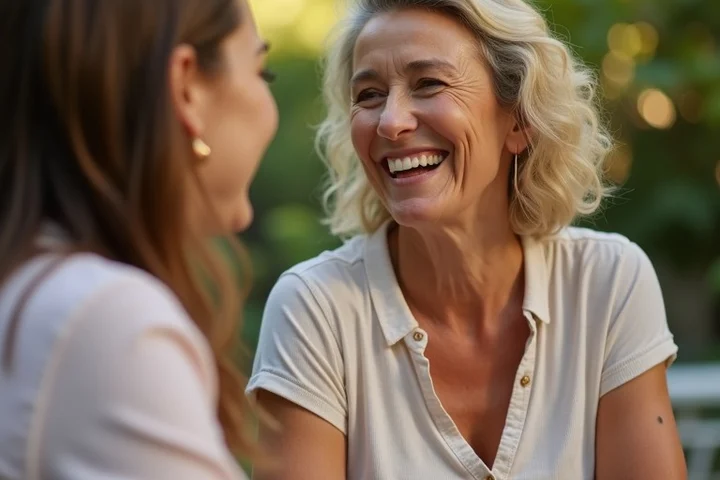
Dating profile photos after 40 help a potential match understand who you are in daily life, not just what you look like. A clear, natural image can suggest that the account belongs to a real person, while the setting, expression, clothing, and activity around you add clues about your interests and social style. Those details give someone more to respond to and make the profile feel approachable.
Recency matters because a photo represents the person someone may meet now. When the images reflect your present appearance and current life, they create a more honest first impression. A collection of polished portraits alone can feel distant or incomplete; varied photos can show warmth, energy, and the parts of life you would genuinely share with a partner.
Which six images give a profile a credible first impression?
A six-photo sequence works because each image answers a different question without asking one photograph to carry the whole profile. First, use a clear face photo so viewers can recognize you immediately. Second, add a full-length image that shows how you present yourself from head to toe. Third, include an activity photo connected to something you genuinely enjoy. Fourth, use a social image that places you with other people, while keeping you easy to identify. Fifth, add a relaxed everyday photo that feels less posed. Sixth, include an optional interest-specific image—such as a hobby, creative pursuit, or favorite type of outing—if it adds information the other five do not.
When an older photo still feels like the best one
An older photo can feel like the best choice because the lighting, angle, hairstyle, or occasion made you especially happy with your appearance. Its appeal does not remove the central question: would someone recognize you from this image if you met soon? A picture becomes misleading when it presents a substantially earlier version of your face, hair, body, or everyday style, particularly if every other image is also from the same period. Heavy retouching creates a similar problem by smoothing features or changing proportions that a viewer will expect to see in person. This matters for someone dating after divorce at 40 or returning after a long marriage, when an image from an earlier chapter may also carry memories that are no longer part of daily life.
Replacing that favorite image does not require making yourself look formal or unfamiliar. A recent phone photo taken in clear daylight can represent you more honestly than a polished portrait from years ago. Check the date and setting of each candidate, then ask whether the clothing, surroundings, and appearance belong to your current life. A photo from a past relationship deserves extra care: cropping out another person can leave an awkward composition, while keeping a former partner partly visible makes the image confusing. Similarly, an attractive travel or event photograph may fail if there is no way to tell when it was taken or whether it shows you clearly. Keep an older image only when it remains recognizably current and does not rely on editing, cropping, or a past context to make its appeal understandable. The strongest replacement gives a viewer a truthful sense of the person they could meet now, without requiring an explanation later.
Photo choices that reveal personality
A dating photo becomes more informative when it shows what surrounds you, what you enjoy doing, and how you appear when you are not posing for a formal portrait. A hiking trail, community garden, kitchen, concert venue, or favorite local activity can give someone a starting point for conversation. Clothing works in the same way: clothes that resemble what you actually wear for social plans, weekends, or hobbies help the profile feel connected to daily life. A relaxed expression can make an image more welcoming, while several highly posed expressions may make the profile feel distant or carefully staged.
Pets can add warmth and show that an animal is part of your household, but the person should remain easy to recognize. A photo with a dog on a walk says more about your routine than a close-up of the dog alone. Group photos can show friendships and social life, yet they create confusion when several people look similar or when another person occupies most of the frame. One social image is usually enough to add that context; the rest of the profile can keep attention on you.
Family images require a separate privacy decision. Someone dating with children may choose not to post their children at all, or may use an image where a child’s face, school clothing, home address, or regular location cannot be identified. That choice protects the child’s privacy while still allowing the profile to mention family life elsewhere. Photos with relatives or friends also deserve their consent before publication. Across the set, settings and activities should describe a life you are comfortable discussing, and clothing, posture, and expression should feel familiar enough that a first meeting will not seem disconnected from the profile.
Audit every image before publishing
- Recent photos should reflect your current hair, facial hair, glasses, body shape, and general style closely enough that you look familiar at a first meeting.
- At thumbnail size, your face should remain recognizable, especially in the first image, rather than hidden by sunglasses, a hat brim, shadow, distance, or a cropped edge.
- A set of six near-identical selfies, six event photos, or several versions of the same outfit says less than images taken at different moments.
- Studio polish is unnecessary: a sharp, well-lit phone photo with a level horizon is clearer than a dim, grainy, overfiltered image.
- The set should omit beauty filters, dramatic smoothing, old vacation pictures, and photos that conceal a major part of your current appearance.
- Group shots can confuse viewers when a former partner, close friend, or the most prominent person is in the frame. If they must work out who owns the profile, another image is clearer.
Before you move on
Do I need professional photos for dating after 40?
No. A current phone photo taken in soft daylight can work well when your face is in focus and the camera is near eye level. Professional photos can help if they still look like you on a normal day, but a full set can feel overly staged when every image has the same polished look. A mix of one well-composed portrait and candid-looking recent photos usually gives a fuller impression.
How often should I update dating profile photos after 40?
Replace photos when a major change affects how someone would recognize you in person, such as a substantial hairstyle change, a new beard or clean-shaven look, or a significant shift in appearance. Photos from the last year are generally easier to stand behind. Updating a few images after a new activity, trip, or season also keeps the profile from representing a past chapter of your life.
Can I use a photo from my marriage or from before my divorce?
You can use a photo from a previous marriage when it still looks like you and shows nothing of the former relationship. Leave out cropped wedding images, photos with a former partner visibly cut out, and pictures whose setting makes their origin obvious. A new image from a similar occasion—a dinner, museum visit, hike, or celebration—will usually feel more comfortable to you and a prospective match.
What privacy details should I remove from dating app photos?
Images can reveal house numbers, street signs, workplace badges, children’s school names, license plates, travel documents, and easily identifiable exterior views of your home. That deserves extra care when dating after divorce at 40, as children or shared family routines may also be part of the picture. Your interests can still come through without showing where you live, work, or spend time with your family.
For a strong dating profile after 40, choose photos that look like you now, vary the settings, and show your everyday life honestly. Let people see your face clearly, get a sense of your build and interests, and find enough context to start a conversation without revealing family members or private details. Replace images that are old, edited beyond recognition, dominated by someone else, or out of step with how you look and live today.